Master in Global Football Business
Move from execution to decision-making — step into decision-making environments in football.
A rigorous, industry-led master program focused on the business of football — across finance, media, commercial strategy, and operations.
- Application Deadline: September 01
- Hybird: Online + Onsite
- Duration: 8-month
Our Alumni Work At











Program overview
The Master in Global Football Business is an industry-led program designed for professionals who want to understand football as a commercial, financial, media, and operational system. Across eight months, participants build a rigorous understanding of how football organizations operate, compete, and create value.
Football organizations are no longer shaped only by results on the pitch. They are shaped by commercial strategy, financial discipline, media ecosystems, fan behavior, partnership models, and leadership quality.
This program is built for professionals who want to understand those realities in an integrated way. It combines core business disciplines with football-specific application, helping participants develop the judgment, commercial awareness, and organizational understanding required across the modern football industry.
Through applied learning and case-based discussion, you will develop the analytical and professional capabilities required to operate effectively across football clubs and the wider football ecosystem.
What you will develop
Across the program, participants develop five integrated capability areas:
Industry & Strategy
Understand the governance, economics, and global dynamics shaping modern football.Finance & Analytics
Interpret financial models, assess sustainability, and use data to support decisions.Marketing & Fan Engagement
Build digital, brand, and fan experience strategies grounded in behavioral insight.Commercial Operations
Learn how sponsorships, partnerships, media rights, and sales functions create value.Leadership & Professional Skills
Strengthen communication, negotiation, and stakeholder management to perform effectively in football organizations.
Who this program is for
This program is for professionals who want to transform their understanding of football into a senior level and operate more effectively across its business functions.
- professionals already working in football who want broader commercial and strategic understanding
- early- to mid-career professionals seeking to move into football on the business side
- people working in clubs, leagues, federations, agencies, media, sponsorship, events, fan engagement, or business operations
- professionals who want to strengthen their ability to connect football-specific realities with core business disciplines
- international participants who need a flexible program without stepping away from work
Where this program can take you
This program strengthens your ability to contribute at a higher level across the business of the organization.
It strengthens your ability to step into roles that require:
- a clearer path toward managerial and leadership-track roles
- increased trust from senior stakeholders
- executing tasks and contributing to decisions
- involvement in broader business and strategic discussions
- responsibility for projects that cut across multiple functions
- from operating within one function to understanding how the whole organization works
Program format
Across the program, participants develop five integrated capability areas:
- Duration: September 2026 to April 2027
- Live interactive online learning
- Applied case-based discussions
- On-campus modules combined with field trips
- Direct access to expert faculty
- Guided feedback and reflection
- Flexible structure for working professionals
- Can also be completed 100% online
- Global cohort of professionals
- Access: lifetime access to learning materials
- 10% lifetime alumni discount
Here’s everything you need to know about the program.
Get your free brochure.
- Application Deadline: September 01
- Sep 21, 2026 - April 2027
- Duration: 8-month
- Hybird: Online + Onsite
- Optionally 100% online
Browse learning plan
The curriculum builds the strategic, commercial, analytical, and leadership capabilities required to contribute meaningfully within football clubs, agencies, governing bodies, and related enterprises.
This module provides a structured examination of the global football ecosystem, analysing governance architectures, regulatory frameworks, and the strategic roles of federations, leagues, and clubs. Students develop the capacity to interpret how institutional design, market forces, and geopolitical dynamics shape competitive outcomes across diverse football markets.
Focusing on the economic foundations of modern football, this module develops financial literacy through club valuation, budgeting, revenue modelling, risk assessment, and long-term sustainability analysis. Participants learn to evaluate financial decisions not only through accounting metrics but through their strategic implications for sporting and organisational performance.
Examining one of football’s most influential economic pillars, this module analyses the structure of media rights markets, the evolution of broadcasting models, and the disruptive effects of digital and OTT platforms. Students develop an understanding of how media revenues shape strategic decision-making across clubs, leagues, and governing bodies.
This module develops the conceptual tools required to build, position, and sustain football brands in highly competitive environments. Participants explore brand architecture, narrative shaping, identity systems, and long-term equity management, and learn to deploy strategic branding as an organisational capability.
Integrating behavioural science with experiential design, this module examines the psychological, cultural, and social drivers of fandom. Students study how matchday environments, digital interfaces, and community platforms shape loyalty and engagement, and learn to design fan experience strategies that enhance both emotional and commercial value.
This module explores the digital transformation of football, examining audience behaviour, platform economics, content strategy, and data-driven marketing. Students learn to design integrated communication and engagement strategies that strengthen brand relevance, unlock commercial value, and expand global reach.
You’ll examine the commercial architecture of football through the valuation, negotiation, packaging, and activation of sponsorship and partnership rights. The module emphasises strategic alignment, measurement frameworks, and the creation of mutually reinforcing value between football properties and corporate partners.
This module focuses on the commercial engine rooms of football organisations—ticketing, hospitality, memberships, and customer lifecycle management. Students learn to use CRM systems, segmentation models, and analytical insights to optimise revenue, strengthen retention, and enhance customer value.
This module provides a rigorous exploration of football event operations, including matchday design, safety and risk protocols, stakeholder coordination, logistics, and commercial activations. Students learn to architect events that optimise fan experience, operational efficiency, and organisational objectives.
Grounded in leadership psychology and organisational behaviour, this module develops the interpersonal, communicative, and decision-making capabilities essential in high-performance football environments. Emphasis is placed on self-awareness, negotiation, stakeholder alignment, and the cultivation of a credible professional presence.
Taught by experts who have done it
Our world-class faculty of experts infuse each session with next-level knowledge, insights, and research.

Dr Jacob Naish
Head of Purpose, Right to Dream

Laurent Colette
COO, Right to Dream

Will Misselbrook
Chief Creative Officer, LA Galaxy

Daniel Martin
CFO, RedBird FC

Warren Engelbrecht
Founder, We Guide Heroes
Join the success stories
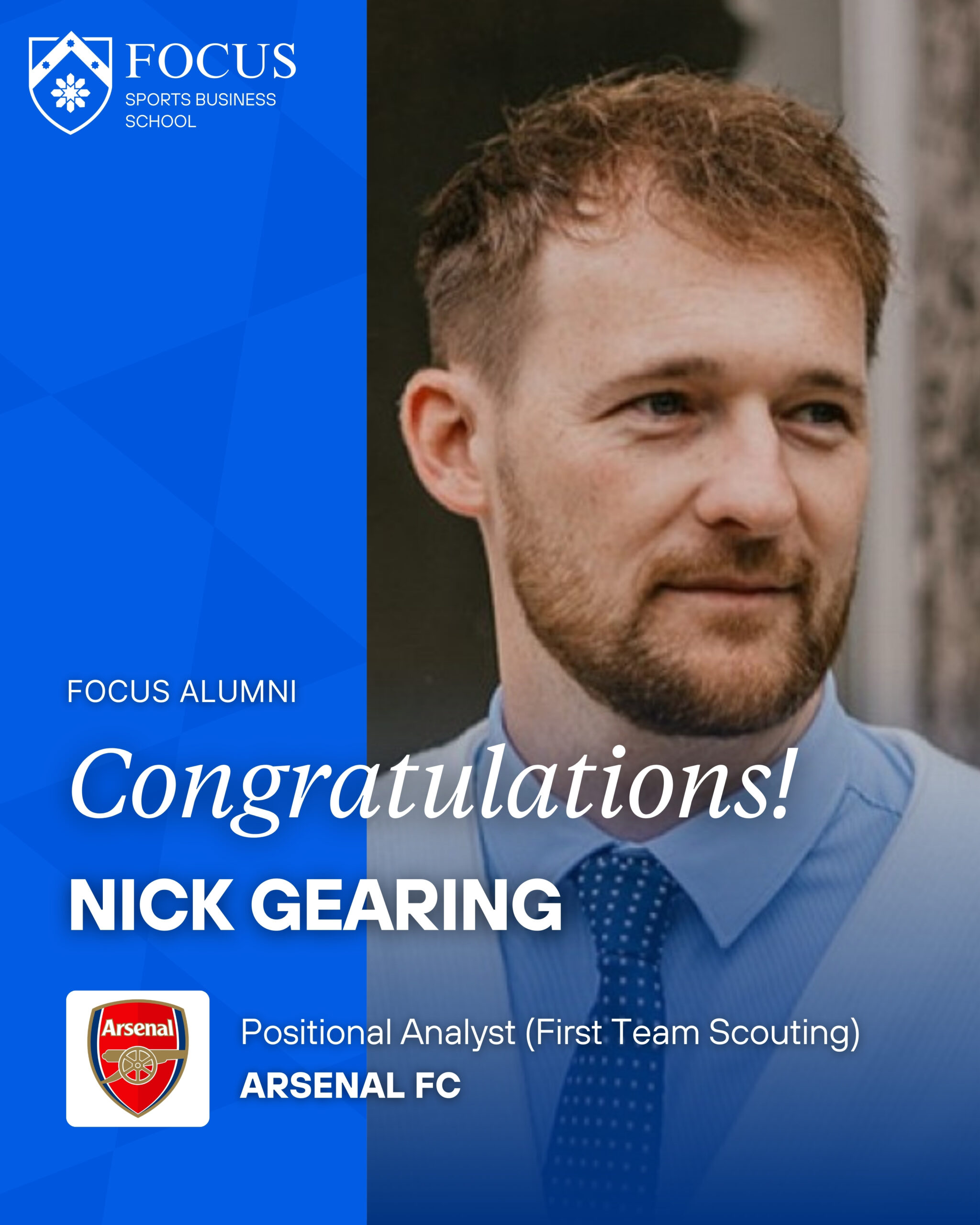
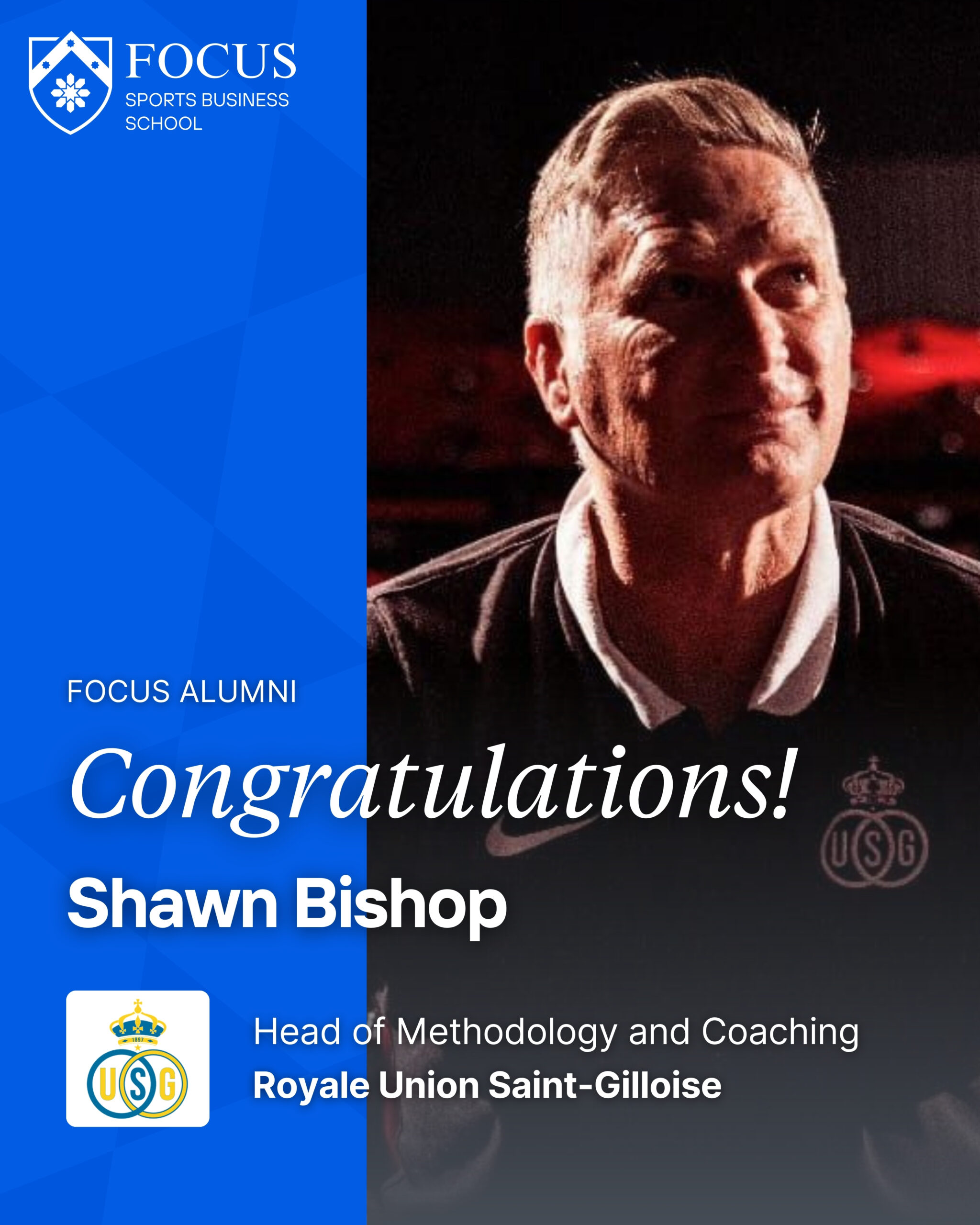
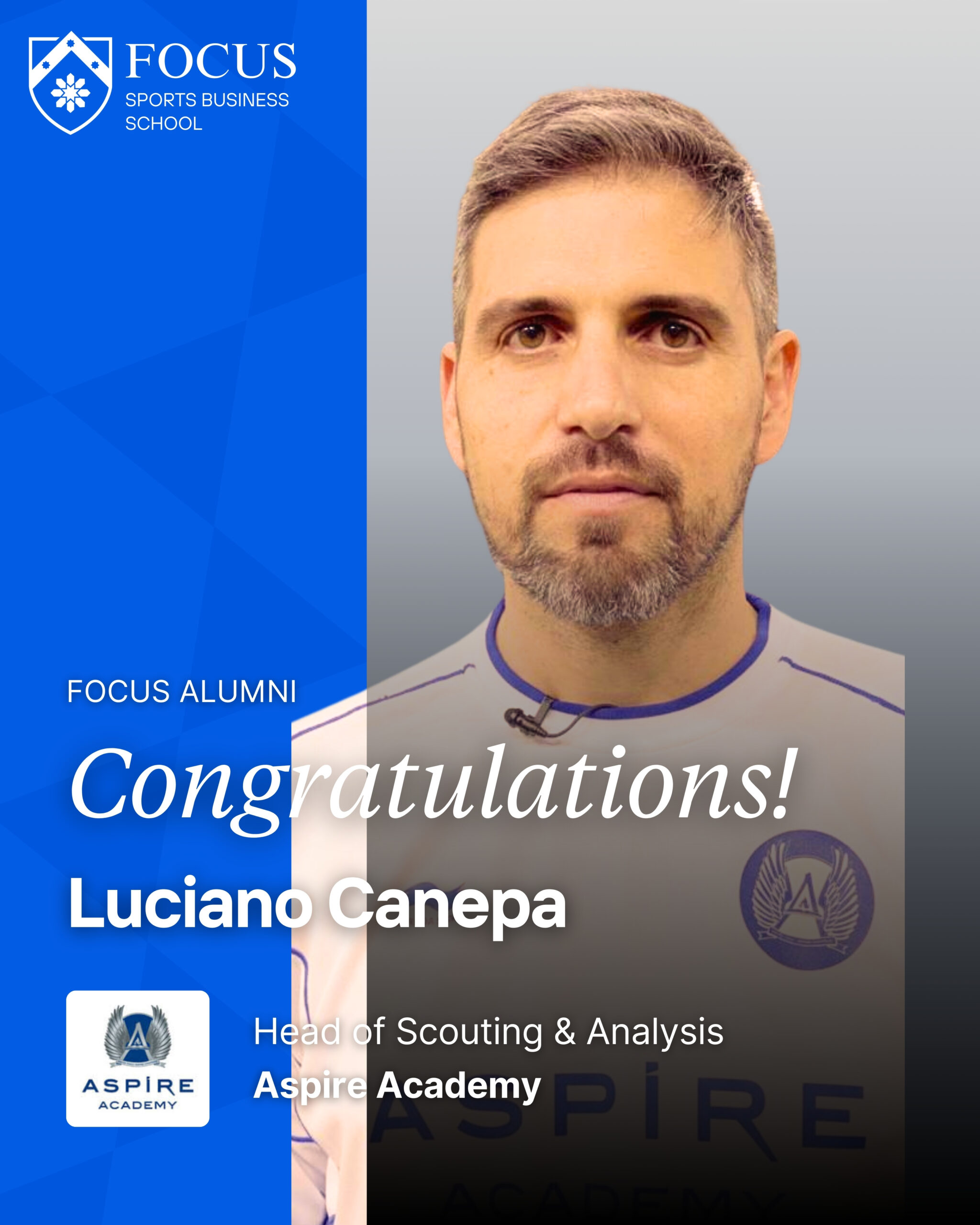
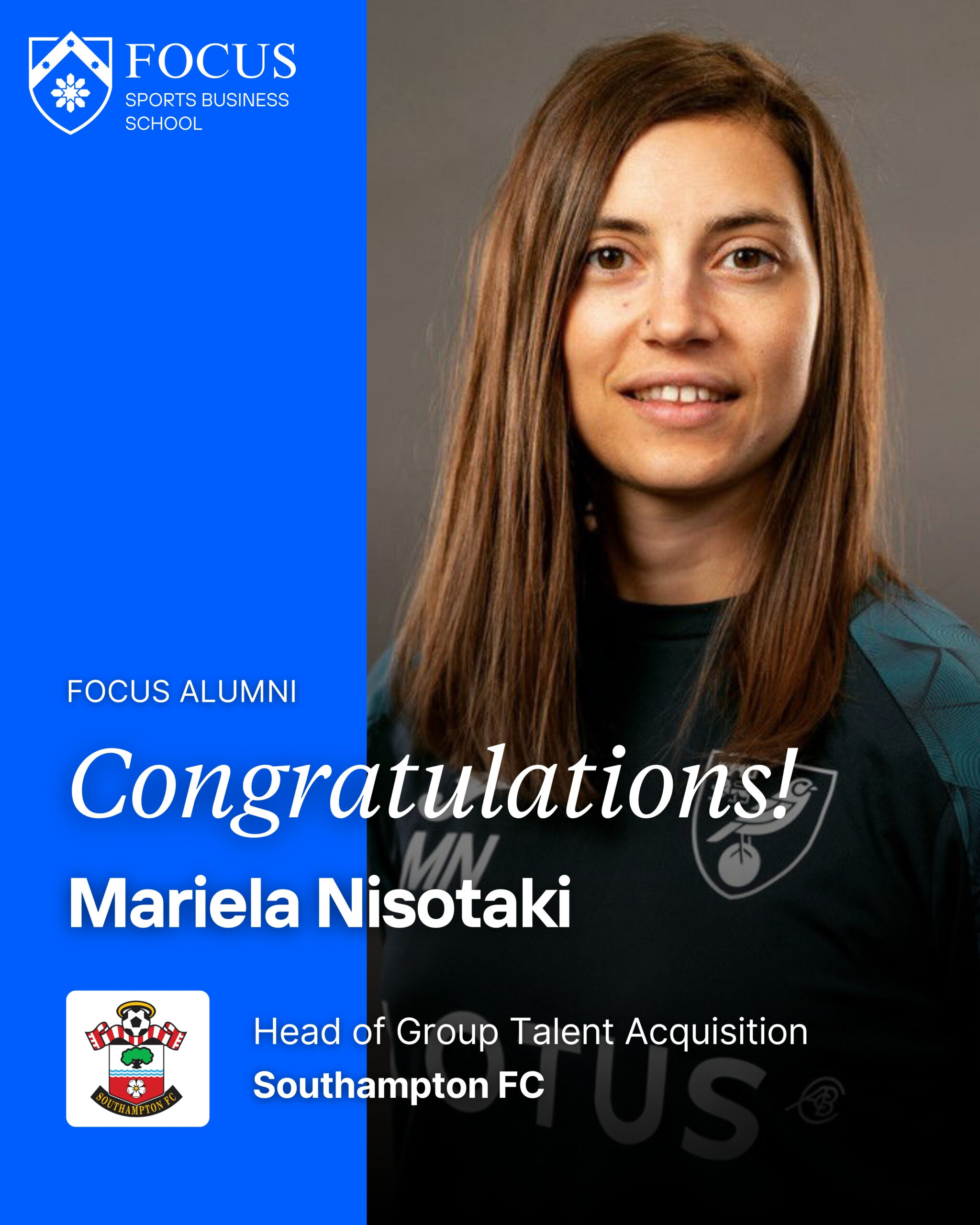
The ongoing success of our graduates proves the high impact of our programs.





Learn more about this program
Yes. The program is designed in a hybrid format, but can also be completed 100% online.
The Master in Global Football Business is an industry-led program focused on how football organizations operate across commercial, financial, media, and operational areas. It is designed for professionals who want to understand football as a business and contribute more effectively within it.
The program is designed for professionals working in football or related industries, as well as individuals aiming to move into football through business, commercial, media, or operational roles.
It is suitable for participants who want to develop a broader understanding of how football organizations function beyond a single department.
Yes. The program is open to professionals from other industries such as business, marketing, finance, consulting, or media who want to build a structured understanding of the football industry.
Yes, most of our students work full-time. That’s why we’ve designed our programs to be completely online and combination of live and self-paced learning – so they can work around the schedule of working professionals, not the other way around.
Participants who complete the program receive a diploma from FOCUS Sports Business School.
The Master in Global Football Business focuses on the commercial, financial, media, and operational aspects of football organizations.
The FOCUS MBA in Football Strategy and Leadership focuses more broadly on leadership, organizational effectiveness, strategy execution, and technical decision-making within football environments.
The program is delivered in a hybrid format, combining online learning with on-campus components.
It can also be completed 100% online for participants who prefer full flexibility.
The program is designed for working professionals.
Participants should expect a 3-5 hours weekly commitment alongside their professional responsibilities.
The program combines structured frameworks with applied discussion and real-world perspectives. Learning is delivered through live sessions, expert input, and interaction with an international cohort.
Yes, FOCUS provides networking opportunities. As a participant in the FOCUS MBA Program, you become part of an active and diverse community of motivated and innovative professionals. This community is facilitated through various platforms, including an exclusive in-house platform, a dedicated LinkedIn group, and a mix of virtual and physical events, fostering connections and collaboration among its members.
The program is not a placement program. It is designed to strengthen your understanding of the football industry and improve your ability to operate within it, which can support career progression or transition into football over time.
No specific academic background is required. Applications are assessed based on motivation, professional experience, and interest in football as an industry.
We offer team/group plans. If are interested in exploring these options, you can get in touch directly by emailing at hello@focussports.education
If you have more questions, please contact us at hello@focussports.education. We’re happy to hear from you!
Here’s everything you need to know about the program.
- Starting on September 21, 2026
- Blended, Online + On-campus